
The Psychology of Today’s Buyers: How Seniors Can Make Their Home Feel ‘Worth It’ in a Market Correction
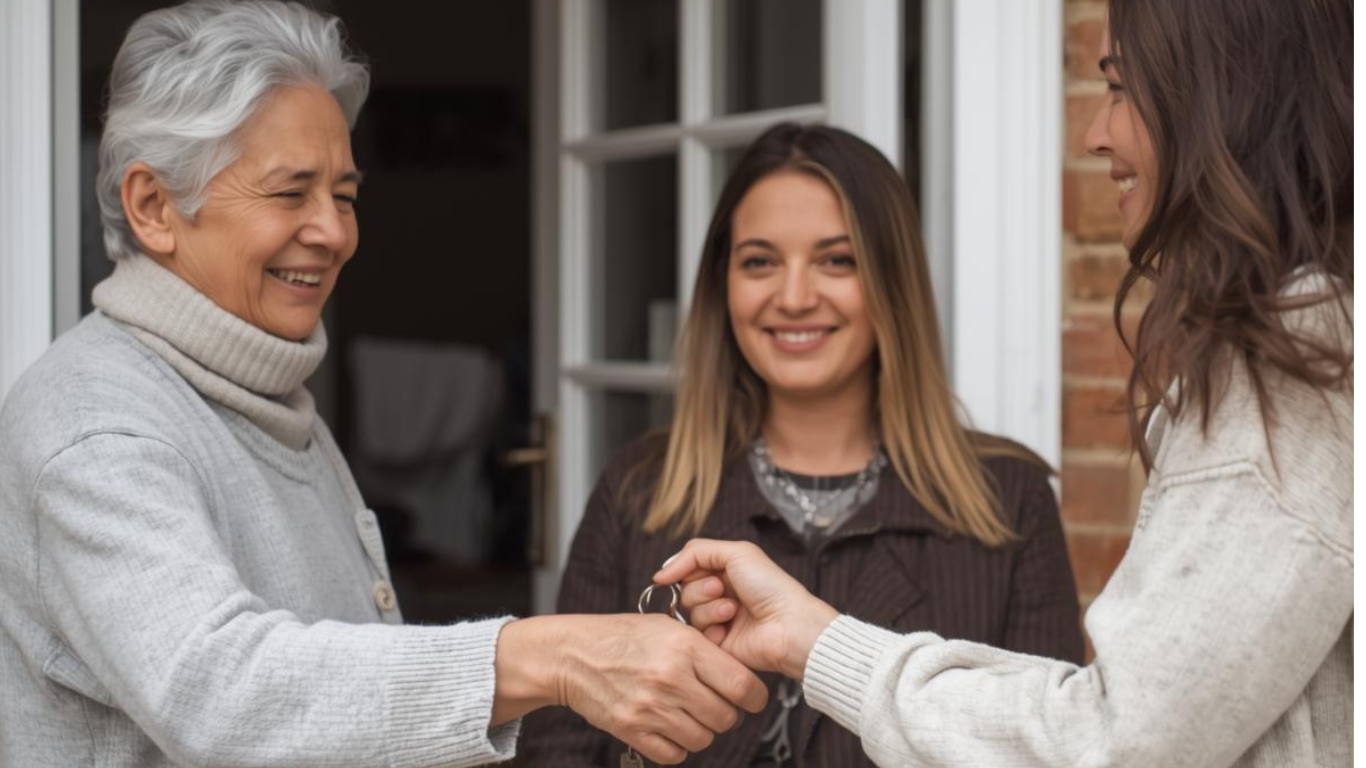
Today’s home buyer trends show a clear shift: buyers are becoming more cautious, more analytical, and more emotionally risk-aware than they were during the fast-moving seller’s markets of recent years. National forecasts point to a cooler environment, and the Birmingham area has already seen prices dip about 2.6% year over year as part of a broader market correction.
For older adults planning a move, this doesn’t mean you should delay selling. It means your strategy should align with 2026 home buyer trends and buyer psychology. When you understand how buyers think and decide, you can position your home to be not just attractive — but “worth it.”
For many future residents of Galleria Woods, applying the right home-selling advice makes the difference between a slow listing and a confident sale.
Today’s Market: Buyers Are Careful and Value-Driven
In a correction, homes rarely “sell themselves.” Buyers read headlines about rates, prices, and insurance costs. That environment changes behavior. According to emerging home buyer trends, people are more focused on risk, predictability, and long-term value than cosmetic flash.
That’s where psychology becomes your advantage as a seller.
Loss Aversion: Buyers Fear Regret More Than They Want a Deal
One of the strongest forces in buyer behavior is loss aversion — the fear of making a bad decision. In a cooler market, buyers worry about overpaying or inheriting expensive problems.
Common fears include:
- Buying before prices fall further
- Discovering hidden repairs
- Purchasing a “money pit”
- Facing surprise system failures
Smart home selling advice for this moment is simple: remove uncertainty wherever possible.
Sellers can reduce perceived risk by:
- Getting a pre-listing inspection and sharing it
- Disclosing roof, HVAC, and appliance ages
- Showing maintenance and service records
- Sharing recent utility cost history
- Explaining what has already been repaired or replaced
Frame each update as a risk removed, not just upgrades. Your goal is to make it obvious that buying your home is a safe investment.
The Need for Control: Reduce Buyer Decision Fatigue
Another major theme in 2026 home buyer trend projections is decision fatigue. Buyers are juggling interest rates, taxes, insurance, remodel costs, and neighborhood comparisons. When the mental load is high, they gravitate toward homes that feel simple and understandable.
You can help restore that sense of control.
Create a clear, organized home information packet that includes:
- A one-page Home Facts sheet
- Average monthly utility costs
- Dates of improvements
- Warranty details
- Appliance manuals
- Contractor receipts
Visually, keep the home calm and uncluttered. Clean lines and open surfaces help buyers mentally “organize” the space. Move-in ready or light-project homes feel far more manageable than full remodels.
The less mental strain required, the more likely a buyer thinks: I can handle this.
Status and Identity: Buyers Are Purchasing a Future Self
Modern home buyer trends also show that buyers shop with identity in mind. A home isn’t just shelter — it’s a statement about lifestyle and belonging. Buyers are subconsciously asking: What does living here say about me?
Instead of only listing features, tell a lifestyle story:
- “This is where we hosted holiday dinners” becomes
“This dining space is perfect for celebrations and gatherings.”
- “Den” becomes
“Flexible office or hobby room.”
- “Guest room” becomes
“Space for visiting family or grandkids.”
Avoid “time capsule” shock. If décor is heavily dated, small updates — paint, lighting, hardware — help bridge generations and allow buyers to picture themselves in the home.
Remember: buyers are not purchasing square footage. They are purchasing a future version of themselves.
Social Proof and Trust: Small Signals Matter
In uncertain markets, buyers look for signals of care and credibility, just like they do with online reviews and ratings.
Strong trust signals include:
- Professional staging and photography
- Honest listing descriptions
- Tidy mechanical spaces
- Labeled panels and filters
- Visible routine maintenance
- Transparent disclosures
Neighborhood and community details also act as social proof. Walkability, nearby amenities, and a friendly reputation help buyers feel more confident about belonging there.
Trust isn’t built from one big message — it’s built from dozens of small details.
Design Trends That Support Buyer Confidence
In 2026, home buyer style preferences lean toward:
- Light, neutral paint colors
- Updated lighting fixtures
- Simple hardware swaps
- Clean landscaping
- Functional outdoor spaces
These are not major renovations — they are targeted refinements that help a home feel current and cared for.
Selling With Confidence — and Looking Ahead
If you are considering selling and downsizing, psychology-based preparation can help your home stand out even in a market correction. The right presentation reduces buyer fear, lowers mental load, supports identity, and builds trust.
Are you ready to sell your home and experience maintenance-free living in a resort-style community? Schedule a visit today to Galleria Woods.